Ongoing projects
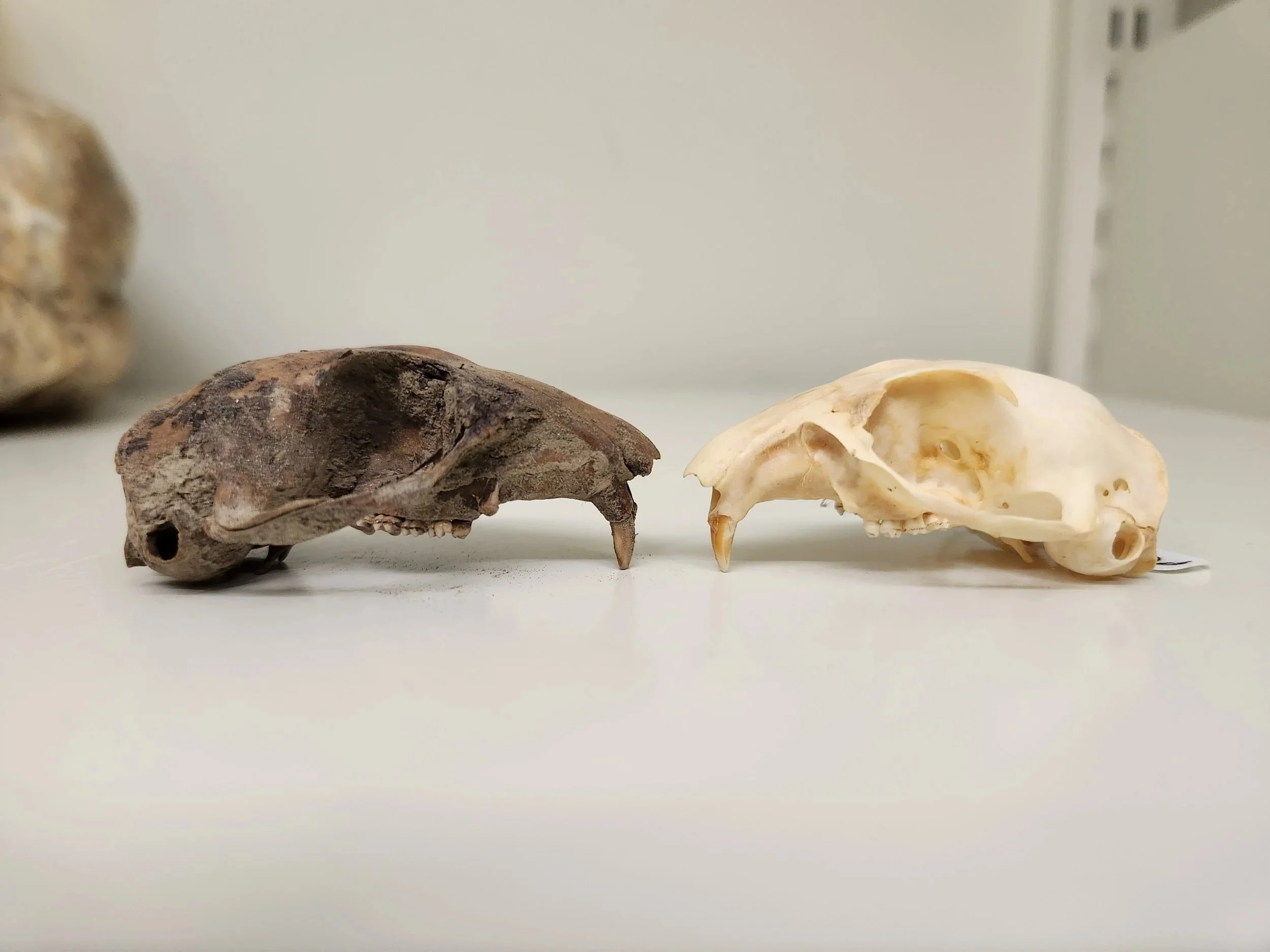
Arctic ground squirrel phylogeography
This project explores how late Pleistocene climate change shaped the population history of Arctic ground squirrels in eastern Beringia. Using ancient and historical mitochondrial DNA spanning the last ~80,000 years, it reveals a population turnover between MIS 4 and MIS 3/2, followed by the persistence of older lineages in cryptic northern refugia. The results highlight the importance of extinction–recolonisation dynamics and hidden refugia in shaping Arctic biodiversity through past climate change.
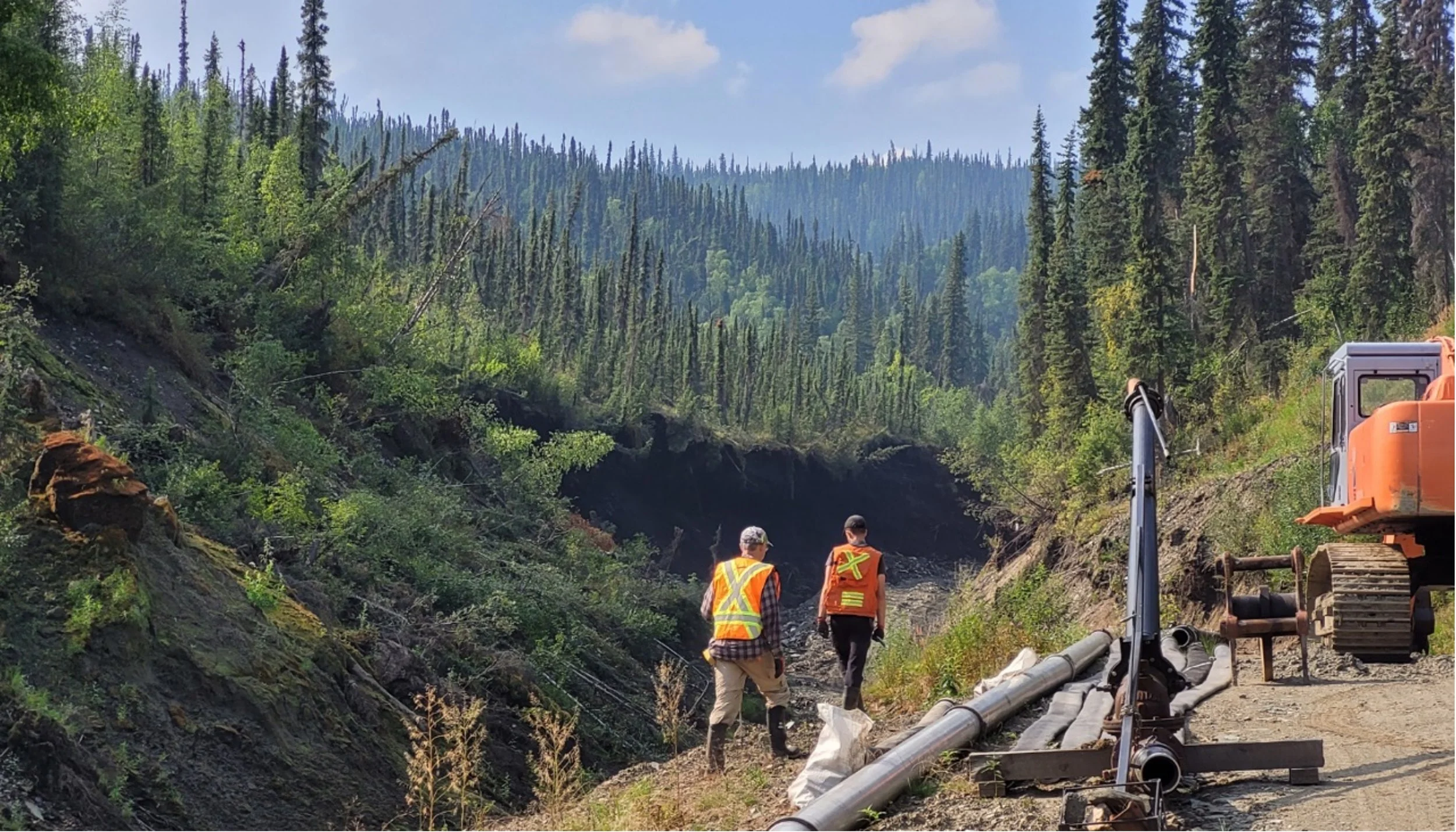
Latest Pleistocene shrub expansion and steppe tundra persistence in easternmost Beringia
This project examines the final collapse of the mammoth steppe in the Klondike using a multi-proxy record from the Mint Gulch site (~16,000–13,000 years ago). By combining sedimentary ancient DNA, macrofossils, pore-ice isotopes, and radiocarbon dating, it shows that steppe-tundra vegetation and grazing megafauna persisted locally even as regional climate warmed and shrub-tundra expanded. The results highlight strong local variability in ecosystem change and demonstrate that steppe habitats survived longer in favourable microsites than regional records alone suggest.
Cocker et al. (2026) - Quaternary Science Reviews
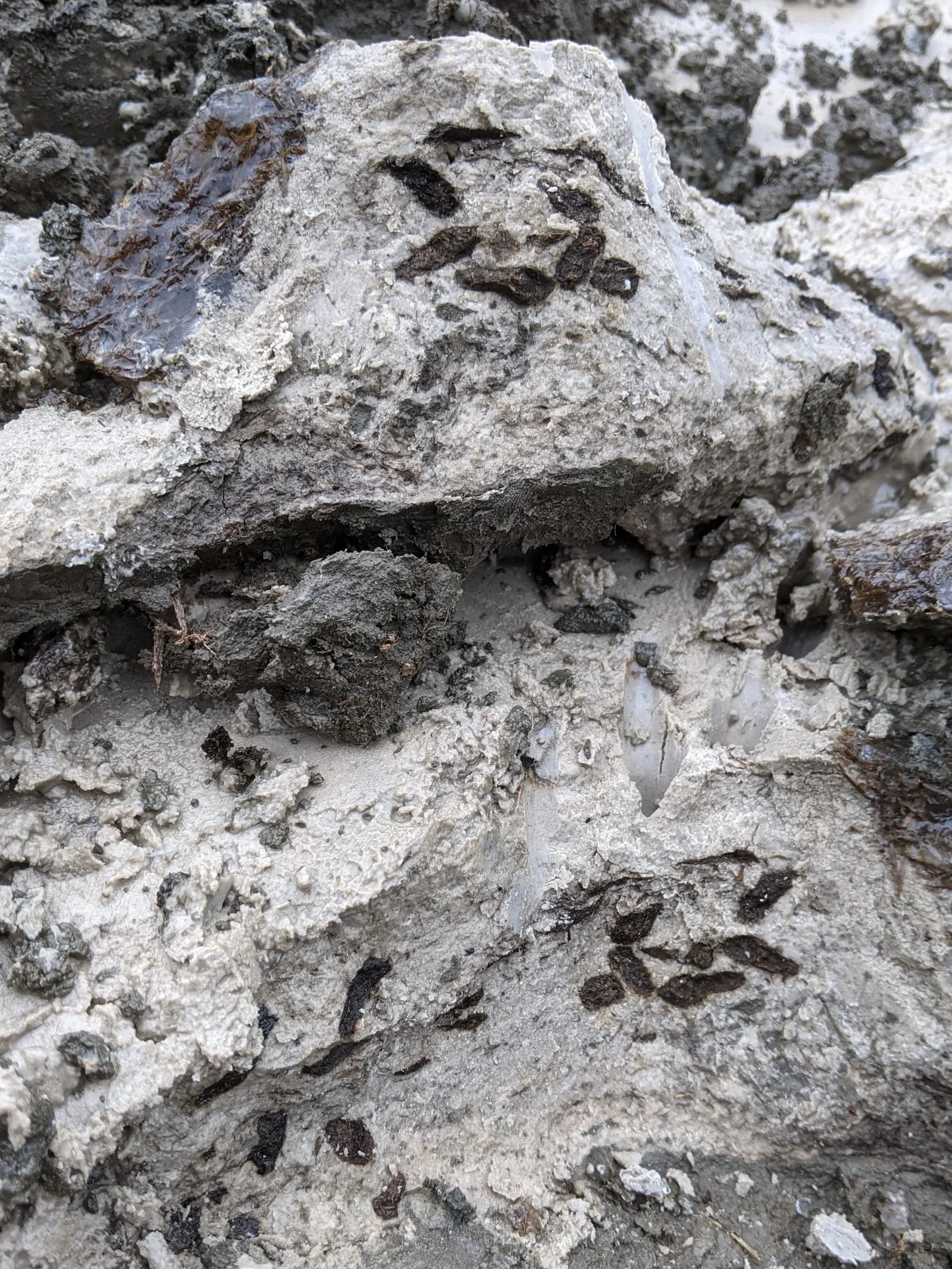
Middle Pleistocene palaeogenomics: bones, sediments and coprolites
Using fossil bones, sediments, and coprolites we are reconstructing middle Pleistocene environments and population dynamics in Beringia. By integrating dietary, ecological, and demographic signals preserved in skeletal remains and coprolites, we provide new insights into habitat structure, climate conditions, and how small mammal populations responded to environmental change during the middle Pleistocene.
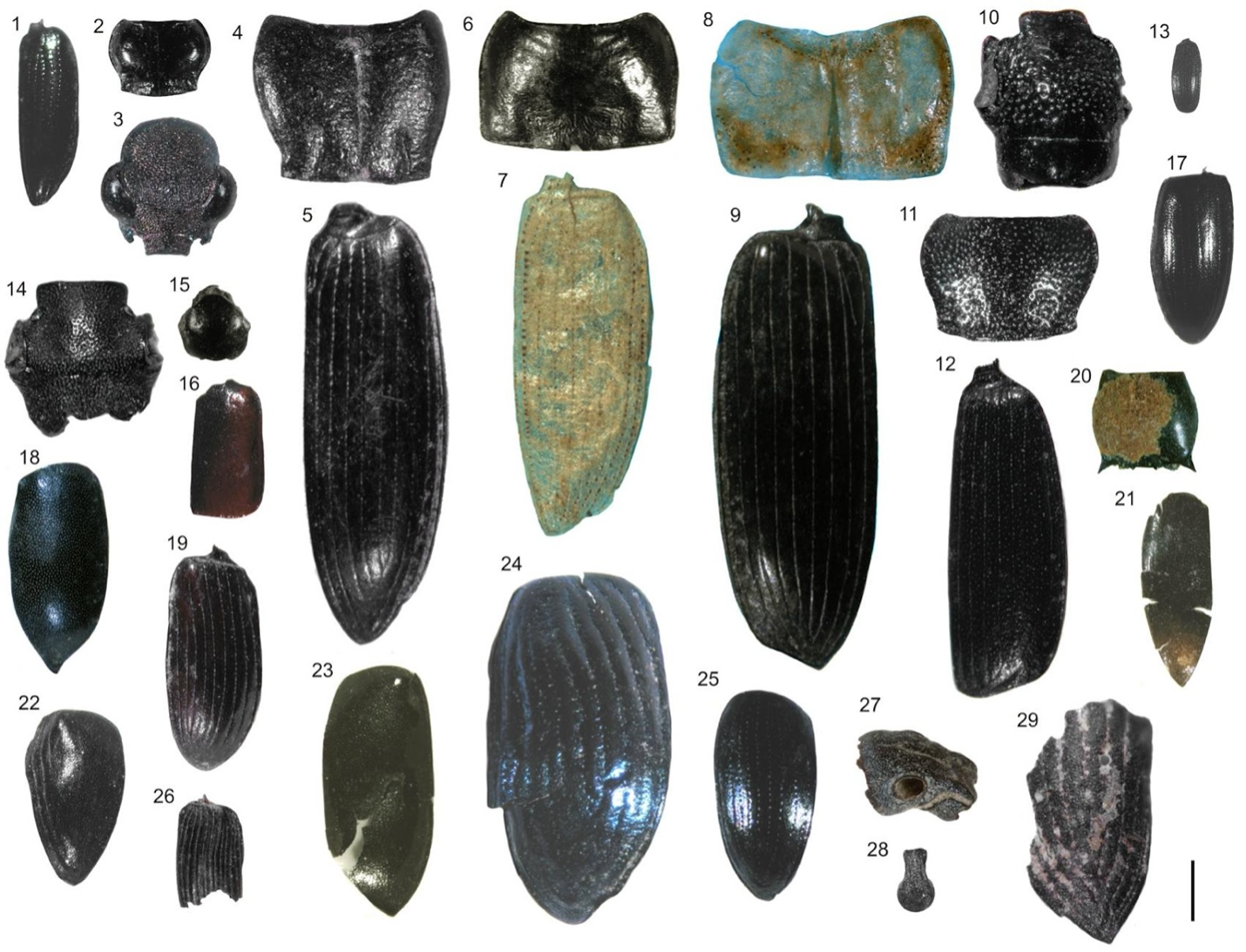
Subfossil insect evidence for boreal forest development following steppe–tundra decline in Yukon Territory
This project reconstructs environmental change in the Klondike region using subfossil insect assemblages from the Quartz Creek site. Late Pleistocene samples document a persistent, dry steppe-tundra ecosystem dominated by cold-adapted insects, while Holocene assemblages record a clear shift toward more diverse, mesic environments and the emergence of boreal forest communities. The results capture the collapse of steppe-tundra ecosystems and provide the earliest insect evidence for a mature boreal forest in Yukon, highlighting the value of insects as sensitive indicators of long-term ecosystem change.
Manuscript currently in review at Journal of Quaternary Science